

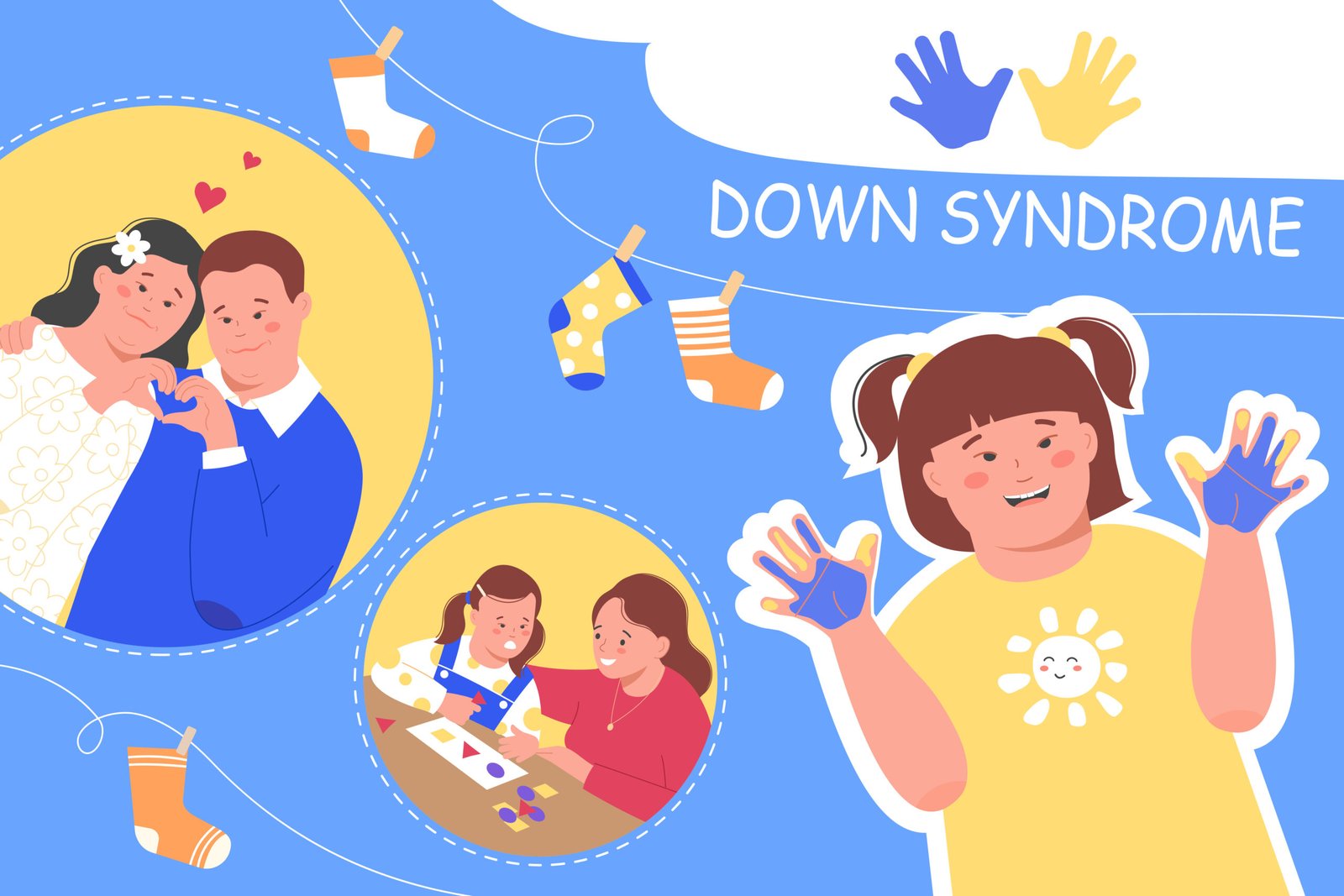
What is Down Syndrome? Understanding the Common Chromosomal Disorder
Down syndrome is a genetic condition caused by having a full or partial extra copy of chromosome 21 in a person’s cells.
Normally, each cell contains 23 pairs of chromosomes — half inherited from each parent. When an individual has an additional chromosome 21, it affects how their body and brain develop.
This condition causes lifelong intellectual disability and developmental delays. It is the most common genetic chromosomal disorder and one of the leading causes of learning difficulties in children.
People with Down syndrome may also experience other health issues, such as heart defects and digestive system problems.
What causes down syndrome?
The exact cause of the extra chromosome 21 is still unknown. However, researchers have identified certain risk factors that may increase the likelihood of having a baby with Down syndrome.
1. Maternal Age
The age of the mother is the only factor strongly linked to Down syndrome caused by nondisjunction or mosaicism.
Although the risk increases with maternal age, 80% of children with Down syndrome are born to women under 35 due to higher birth rates in this group.
2. Genetic Origin
The extra chromosome can come from either parent, though about 5% of cases are traced to the father.
The condition is not caused by environmental factors or lifestyle choices before or during pregnancy.
3. Global Prevalence
Down syndrome remains the most common chromosomal disorder, occurring in about 1 in every 700 births.
Between 1979 and 2003, the number of babies born with Down syndrome increased by approximately 30% worldwide.
Symptoms and characteristics of down syndrome
Each person with Down syndrome is unique. The level of developmental delay and intellectual disability can range from mild to severe.
Some individuals are generally healthy, while others face serious medical conditions such as heart disease or respiratory issues.
Common physical features
Although not everyone with Down syndrome shares the same traits, some of the most recognizable features include:
Flattened facial profile
Small head and short neck
Protruding tongue
Upward slanting eyelids (palpebral fissures)
Small or abnormally shaped ears
Poor muscle tone (hypotonia)
Broad, short hands with a single crease across the palm
Short fingers, small hands and feet
Excessive flexibility
Tiny white spots on the iris (Brushfield’s spots)
Short stature or slower growth rate
Intellectual and developmental signs
Children and adults with Down syndrome often experience:
Delayed speech and language development
Slower learning pace
Challenges with memory and concentration
Delayed motor skills (e.g., sitting, walking, grasping)
Despite these challenges, many people with Down syndrome lead happy, fulfilling lives with the right educational and medical support.
Final thoughts
Down syndrome is not an illness but a genetic variation that affects how a person develops.
With early intervention, inclusive education, and compassionate support from families and communities, children with Down syndrome can thrive and contribute meaningfully to society.