

Dating a Narcissist: Signs & Your Journey to Break Free
There’s a moment many people in painful relationships remember vividly, the moment they whisper to themselves: “Something is wrong… but I don’t know what.”
That’s where Linh was when she shared her story in therapy.
From the outside, her relationship looked perfect. Her boyfriend was charming, articulate, and incredibly confident. He made grand gestures, surprise flowers, heartfelt texts, and promises of a future that seemed almost too beautiful to be real.
It was too beautiful to be real.
What unfolded later was a story many people silently relate to: the experience of loving someone with strong narcissistic traits.
This article blends Linh’s fictionalized story (inspired by many real experiences) with psychological insights to help you understand what happens in these relationships, why they are so hard to leave, and how you can reclaim your self-worth.
The Love That Feels Like a High And the Crash After
At first, being with a narcissist can feel intoxicating.
They mirror your dreams. They make you feel chosen. They sweep you into a fantasy of love that feels cinematic.
Linh once said: “He made me feel like I was the only person in the world who truly mattered.”
But slowly, the tone changed. The same man who once adored her now criticized small things: her tone of voice, her clothes, the way she laughed. When she tried to talk about her feelings, he dismissed her as “too sensitive.”
She found herself constantly apologizing even when she didn’t understand what she did wrong.
Subtle Signs You Might Be Dating a Narcissist
Below are common signs of narcissistic patterns in relationships. You may notice some or all:
1. Love-Bombing Followed by Devaluation
At first, they overwhelm you with affection. Later, they withdraw, criticize, or grow cold, leaving you confused and craving the original warmth.
2. Everything Becomes About Them
Your needs are minimized.
Your emotions are perceived as attacks.
Conversations always return to their perspective.
3. You Feel “Not Enough” No Matter How Hard You Try
You start walking on eggshells.
You keep adjusting yourself, hoping the “old them” will come back.
4. Gaslighting and Confusion
You begin doubting your memory, your feelings, even your intuition.
Sentences like “You’re imagining things” hoặc “You’re overthinking” become common.
5. You Lose Yourself Slowly
This is the most painful part.
You stop recognizing the confident, joyful version of yourself.
You shrink to fit the relationship.
Why It’s So Hard to Leave a Narcissist
Linh stayed for years not because she was weak, because trauma bonding is real.
A trauma bond forms when cycles of affection and pain create an addictive loop.
The highs feel euphoric, and the lows feel devastating keeping you emotionally hooked.
Another reason: Narcissists often apologize just enough to keep you hoping.
A soft tone. A regretful text. A sudden change. But the cycle always repeats.
If this sounds familiar, please know: Your struggle is valid. Your confusion is normal. And you’re not alone.
The Turning Point, Choosing Yourself Again
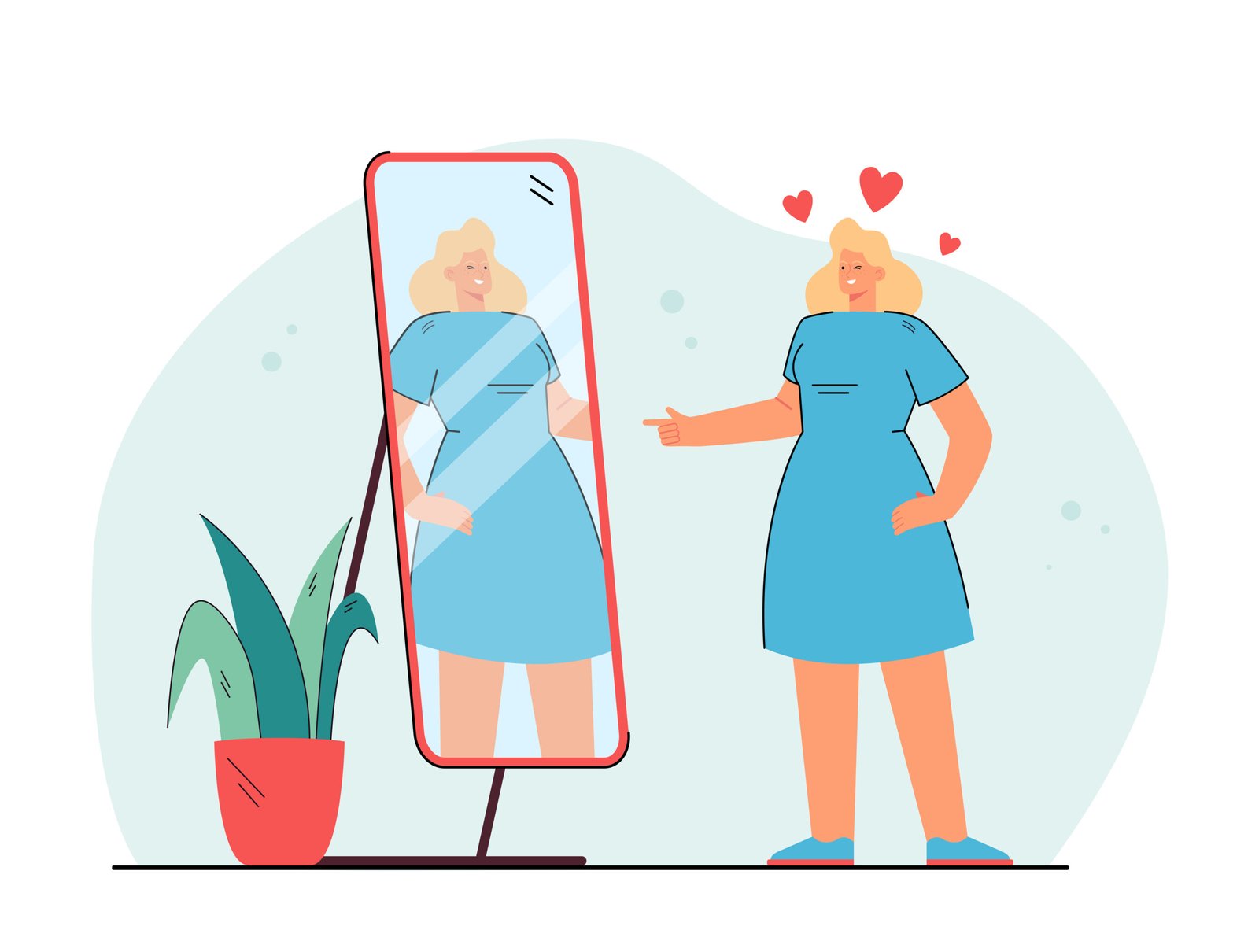
For Linh, the moment came quietly. One morning, she looked in the mirror and whispered, “I miss the person I used to be.”
That tiny sentence became the first brick on her path to healing.
Your turning point might look similar or completely different.
It might be a moment of clarity, a friend’s concern, or simply exhaustion.
Whatever the moment is, it matters.
It marks the beginning of the journey back to yourself.
Steps to Gently Break Free from the Cycle
Below are compassionate, trauma-informed steps:
1. Name the Pattern
Understanding what’s happening reduces shame and confusion.
You stop asking “What’s wrong with me?”
and start asking “Why am I tolerating this dynamic?”
2. Build a Support System
Confide in a trusted friend, therapist, or support group.
Healing relationships help repair the internal wounds narcissistic dynamics create.
3. Set Emotional Distance
If leaving immediately isn’t possible, start by setting emotional boundaries, protecting your energy, your time, and your inner peace.
4. Create a Safety Plan
If the relationship involves manipulation, control, or emotional abuse, you may need a structured exit plan guided by a mental health professional.
5. Rebuild Your Sense of Self
This is where real healing begins. Explore activities, friendships, and values you once loved. Slowly, your confidence returns. Your voice becomes clearer. You remember who you are.
Healing After a Narcissistic Relationship
Recovery is not linear. Some days, you feel strong. Other days, the memories pull you back. But healing is absolutely possible.
People often discover that leaving a narcissistic relationship becomes a profound turning point, a moment where they finally learn to choose themselves, their boundaries, their peace.
As Linh said months later: “I didn’t just leave him. I returned to myself.” That is the true victory.
A Final Note of Compassion
If you see yourself in this story, please be gentle with your heart. You deserve a love that nurtures, not confuses. A love that expands you, not diminishes you. A love where you feel safe, equal, and seen.
Your journey toward healthier love begins with one brave step, choosing you. And you don’t have to walk that step alone.