

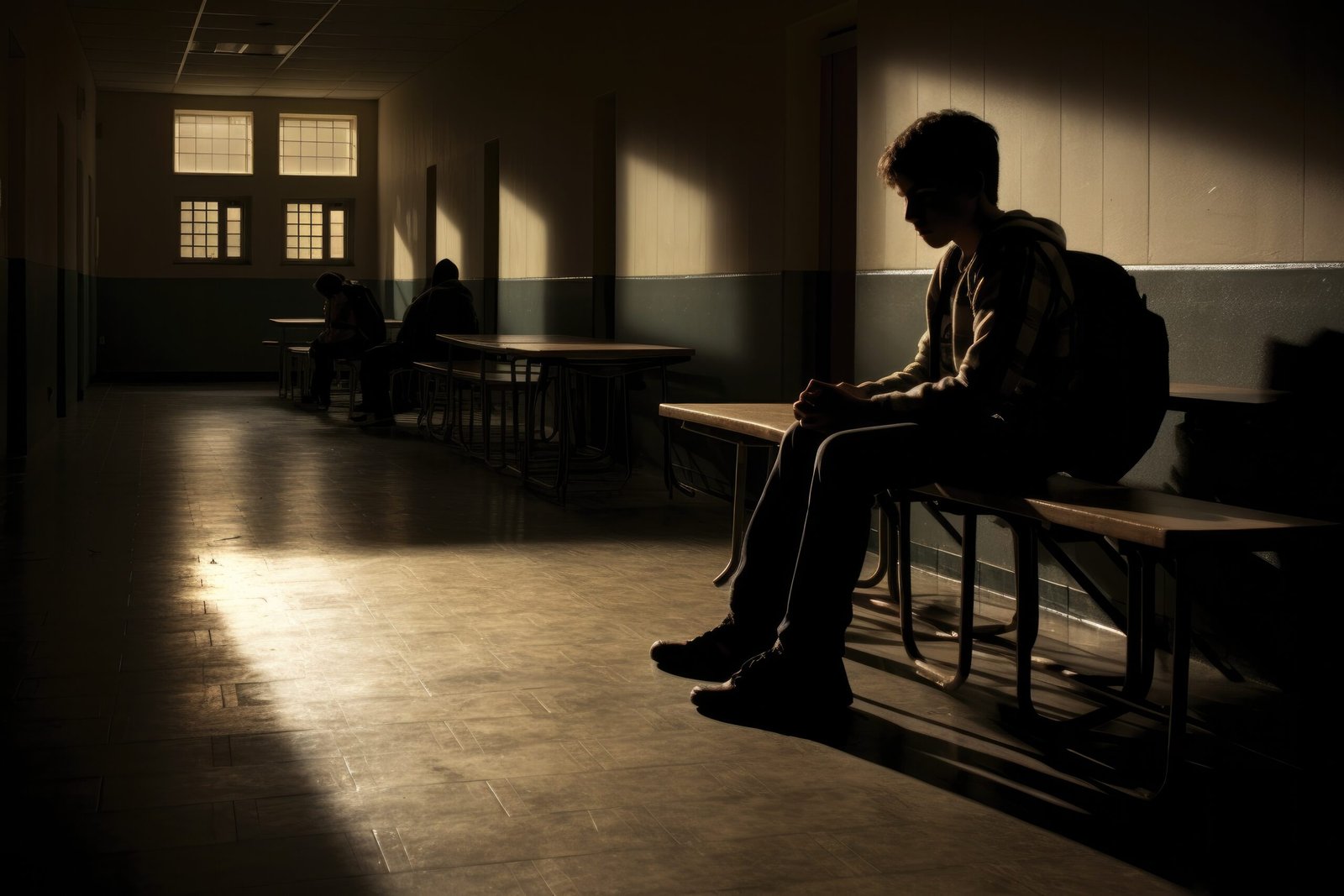
The Boy Who “Likes” Being Bullied: A Deeper Look Into Childhood Behavior
Bullying is not always as simple as a stronger child picking on a weaker one. Sometimes, a child who is being bullied does not resist or even seems to “accept” it. To adults, this is confusing and heartbreaking but behind this behavior often lies a deeper emotional story.
This real counseling case reveals how unmet emotional needs, misinterpreted social cues, and family dynamics can shape a child’s reaction to bullying and how healing begins at home.
Why a Child Might Believe “Being Bullied Is Good”
Seven-year-old Luong Luong was bullied everywhere at school, at the playground, even at home by his older brother. His mother tried everything: talking to teachers, contacting other parents, even confronting the boys directly. Nothing changed.
One day, she suggested martial arts classes to help him stand up for himself. But he refused.
“Being bullied is good,” he said.
To everyone’s surprise, he believed it brought him certain benefits:
other children stepped in to protect him
the teacher punished the bullies
adults paid attention to him
This wasn’t a child enjoying pain, it was a child craving connection.
The Hidden Emotional Struggles Behind His Behavior
Counseling revealed that Luong Luong was:
extremely shy and insecure
unable to interpret others’ emotions accurately
fearful of starting conversations or forming friendships
highly sensitive to judgment
Family dynamics played a major role
His mother was busy running a business
His father traveled often and rarely talked
His grandmother overprotected him
His older brother frequently called him “coward” or “crybaby”
Whenever he cried, adults immediately intervened. Over time, he learned:
“If I show sadness, adults will protect me.”
This pattern repeated at school, crying brought attention, protection, and emotional validation.
Exploring His Inner World Through Sandplay Therapy
Sandplay therapy revealed his internal struggles in a powerful way.
Session Highlights
He created a single empty “river”
Spent the entire session sweeping sand obsessively
The more he cleaned, the messier it became
He hesitated when choosing toys, picking up and putting down repeatedly
He eventually buried a tiny fish and repeatedly crashed a car into it
At the end, he left the sandbox completely empty
The symbolism showed:
perfectionism without problem-solving strategies
indecision and fear of making mistakes
deep self-inhibition and emotional suppression
belief that he must not “bother” others with his feelings
This confirmed that bullying wasn’t the root issue, self-worth was.
Healing Begins at Home – Parental Guidance and Support
To help him rebuild emotional security, the family made key changes.
Recommendations for the father
Engage in crafts and hands-on play
Learn to appreciate that clumsiness is normal
Create emotional safety through shared activities
Recommendations for the mother
Help the older brother understand his impact
Encourage positive sibling interactions
Spend intentional playtime with the child daily
Recommendations for the grandmother
Reduce over-intervening in sibling conflicts
Allow children to practice resolving issues naturally
As the home environment softened, Luong Luong began smiling more, talking more, and showing confidence.
The Moment He Discovered “I Matter”
One day, after a doctor’s appointment, his father prepared to leave for work.
Luong Luong grabbed his hand and said:
“Dad, you don’t love me.”
For the first time, he expressed his feelings directly instead of suffering in silence.
His father reassured him, promised dinner together, and suddenly the child smiled and said:
“So I’m important to Dad too.”
Once a child learns “I matter,” they no longer seek attention through being mistreated.
Learning to Build Friendships and Social Skills
The bullying didn’t stop immediately but his reaction changed.
Weekly skill-building included:
Assertive language: “I don’t like that.”
Understanding personal boundaries
Asking adults for help appropriately
Observing others’ behavior objectively
He discovered that the mischievous boys bullied everyone, not just him.
This helped him feel less targeted and less ashamed.
Through sandplay storytelling, he practiced:
social initiation
emotional expression
reading social cues
building character relationships
He eventually began asking:
“How do I start a conversation?”
“How do I make friends?”
Not long after, he formed real friendships.
A New Sense of Strength – Facing Bullying Differently
During a follow-up session, I asked:
“What would you do now if someone bullied you?”
He answered:
“I would tell them I’m not easy to bully, then walk away.”
“Why can you walk away now?”
“Because I have friends. They’ll help me think of what to do.”
For the first time, he smiled with confidence, not dependence.
When Children Know Their Value, They Stop Accepting Harm
Bullying was never something he “liked.”
It was a coping mechanism, a way to get connection, protection, and validation.
Once he felt loved, understood, and supported, he no longer used crying or passivity to navigate the world.
He learned:
how to express his emotions
how to set boundaries
how to make friends
how to protect himself
And most importantly:
When a child feels valued, they no longer believe that being bullied is normal, because they know they deserve better.