
Prescription Drug Abuse: Understanding the Risks and Prevention
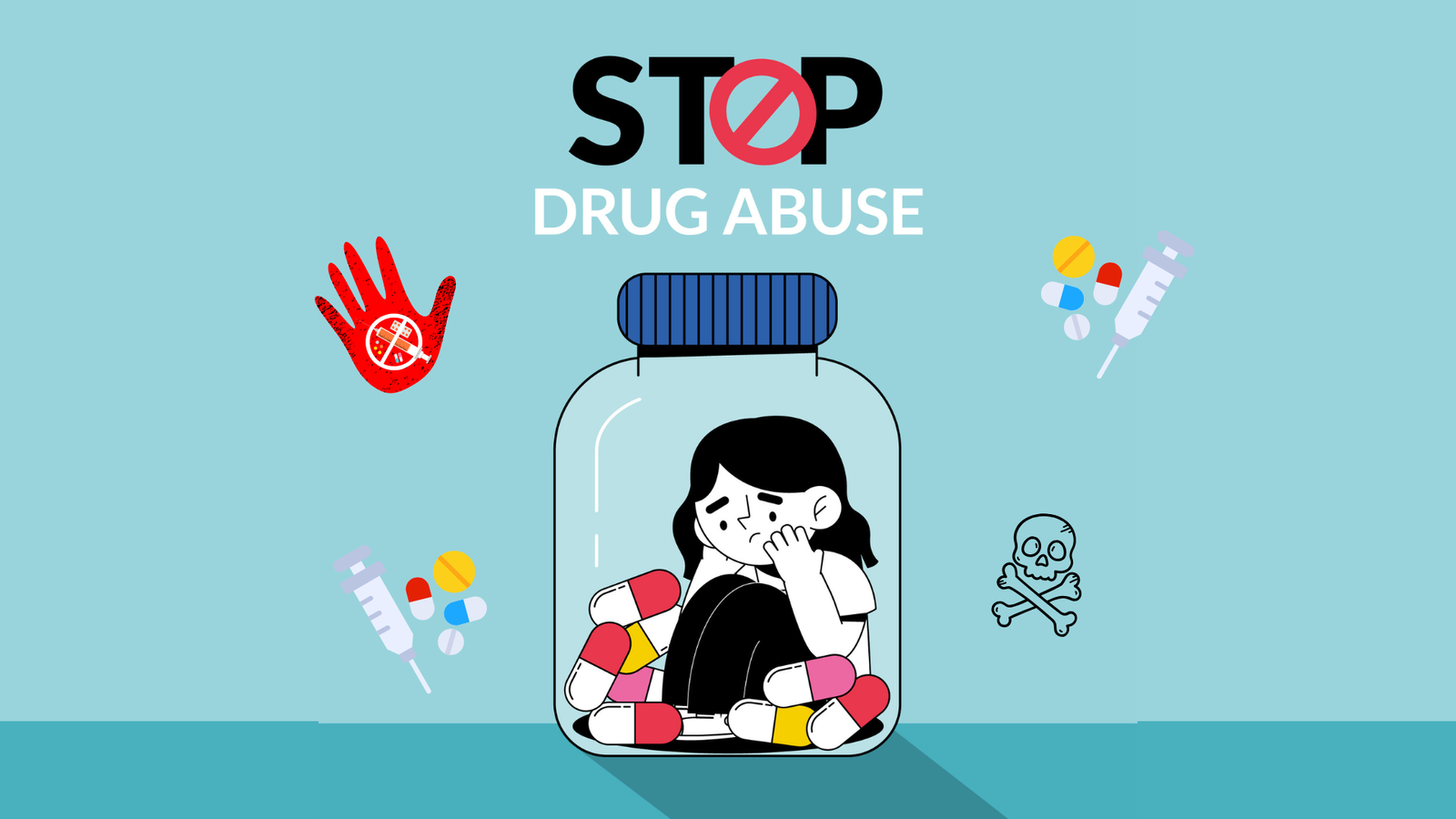
Prescription drug abuse happens when someone uses medication in a way not intended by the prescribing doctor.
This includes taking someone else’s painkillers, using higher doses than prescribed, or crushing and injecting pills to get high.
Over time, this behavior can become compulsive and harmful, leading to addiction and serious health issues.
Drug abuse affects people of all ages – including teens – and often involves opioids, anti-anxiety medications, sedatives, and stimulants.
Early detection and intervention are key to preventing long-term addiction.
Symptoms of prescription Drug Abuse
The signs and symptoms vary depending on the type of drug being misused. Below are the most commonly abused prescription drugs and their typical effects:
Opioids (Painkillers)
Medications like oxycodone are often prescribed for pain relief. Abuse can cause:
Drowsiness or confusion
Nausea or constipation
Slowed breathing
Euphoria or feeling “high”
Anti-Anxiety medications and sedatives
Examples include alprazolam (Xanax), diazepam (Valium), and zolpidem (Ambien). Abuse may cause:
Dizziness and poor coordination
Memory problems
Slurred speech
Extreme drowsiness or slowed breathing
Stimulants
Commonly misused drugs like methylphenidate (Ritalin, Concerta) and amphetamine (Adderall) can cause:
Increased alertness and energy
High blood pressure and irregular heartbeat
Insomnia or restlessness
Aggressive or anxious behavior
Causes of Drug Abuse
People abuse prescription drugs for a variety of emotional, social, or psychological reasons, including:
To feel good or get high
To relax or relieve stress
To reduce appetite or stay awake
To experiment with the drug’s effects
To avoid withdrawal symptoms from addiction
To fit in socially or due to peer pressure
To boost focus or academic/work performance
Understanding these motivations helps identify who might be at risk — and how to intervene early.
Practical advice to prevent Drug Abuse
Here are some simple but effective ways to avoid or stop prescription drug misuse:
1. Be aware of the risks
Understand that most drugs can cause harm when not used correctly. Always follow your doctor’s directions carefully.
2. Don’t use drugs to escape problems
Drugs don’t solve emotional pain — they only delay or worsen the real issue. Seek healthy coping methods like exercise or counseling.
3. Resist peer pressure
If someone pressures you to use drugs, it’s okay to say no. Protecting your health is more important than fitting in.
4. Set positive goals
Give yourself something to look forward to — work, school, or family commitments — to stay motivated and avoid temptation.
5. Avoid triggers
When trying to quit, stay away from places or people that encourage drug use (such as certain parties or groups of friends).
Final thoughts
Prescription drug abuse is a growing public health issue – but it’s also preventable.
By increasing awareness, encouraging open conversations, and supporting those at risk, we can reduce addiction and promote healthier, drug-free lives.
If you or someone you know is struggling with drug misuse, seek professional help early. Recovery is always possible with the right support.